読み込み中
パタ
手と前腕を鋼の籠手で包み、その先にまっすぐな長い両刃を付けた剣。
 CC0CC0
プリセットの線画(装飾なし)
手と前腕を鋼の籠手で包み、その先にまっすぐな長い両刃を付けた、籠手と一体の剣。
この種類から作るパタについて
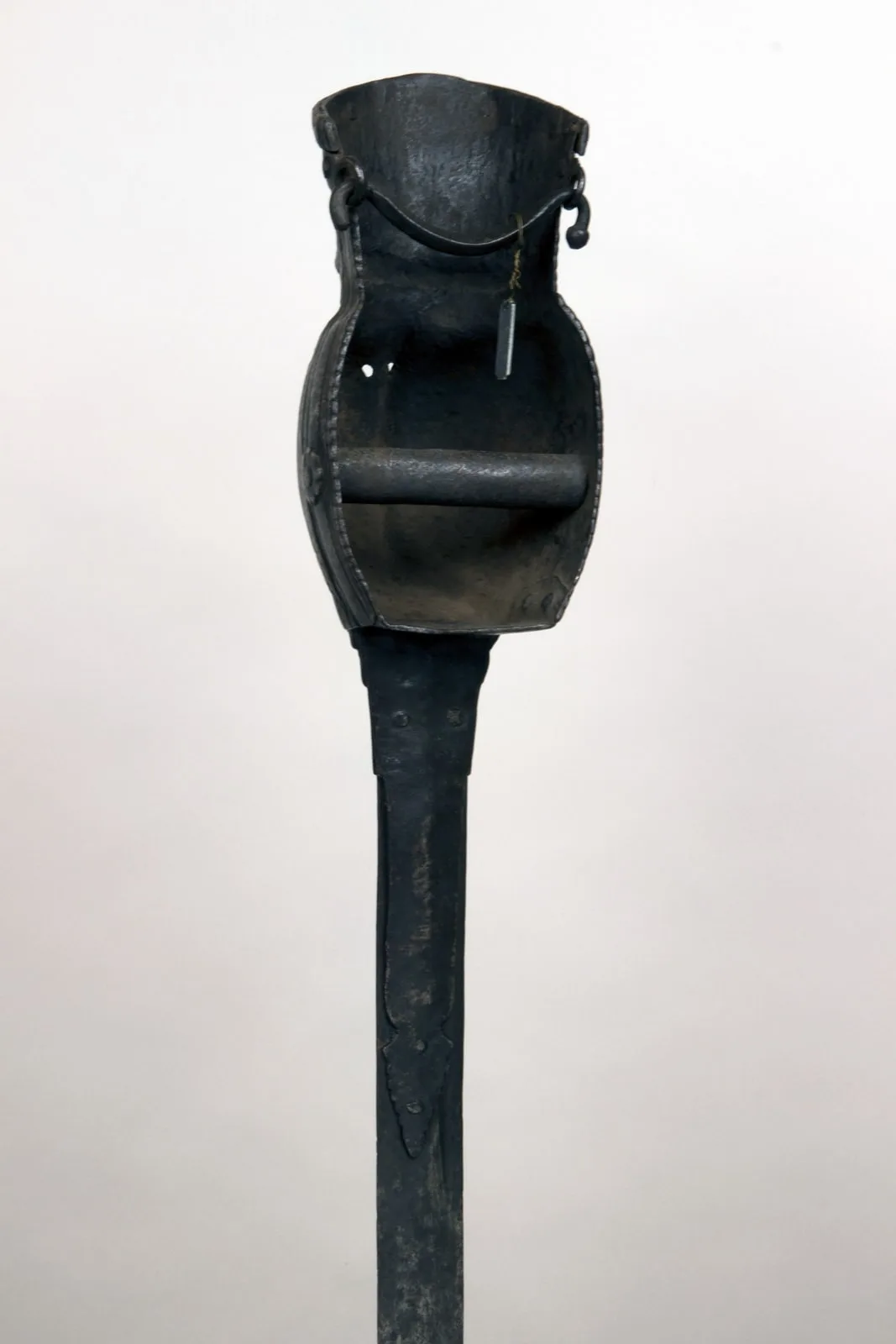
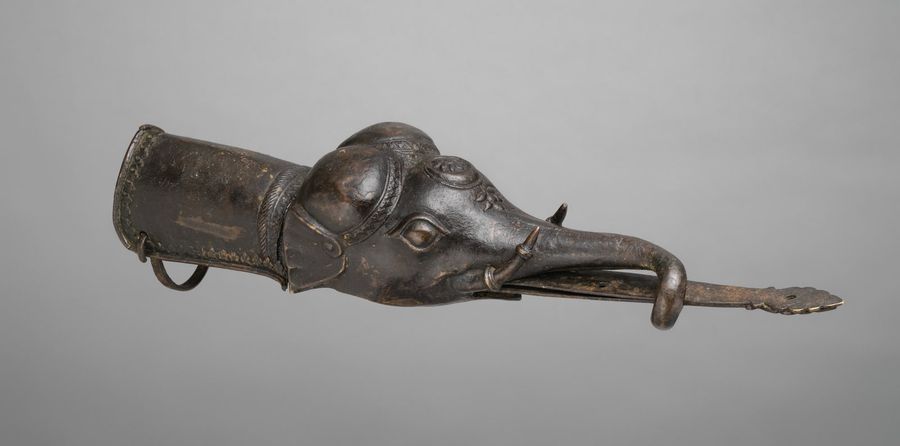
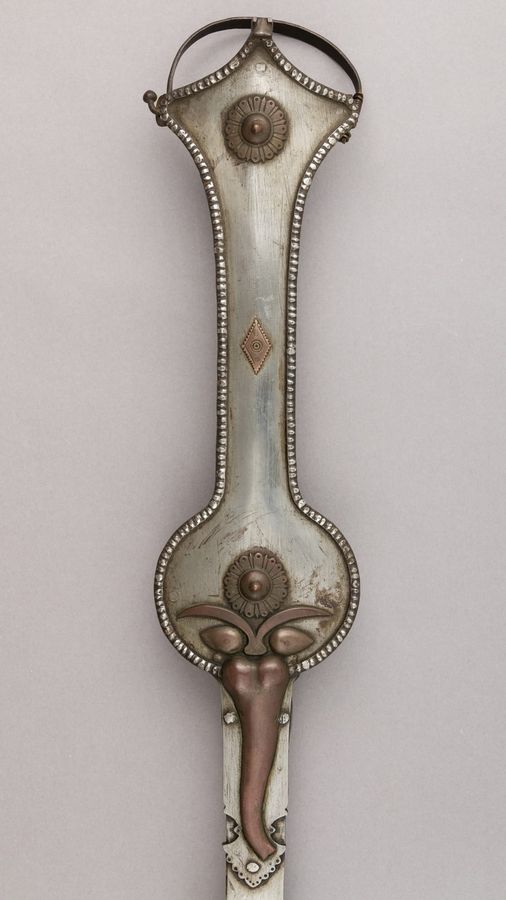
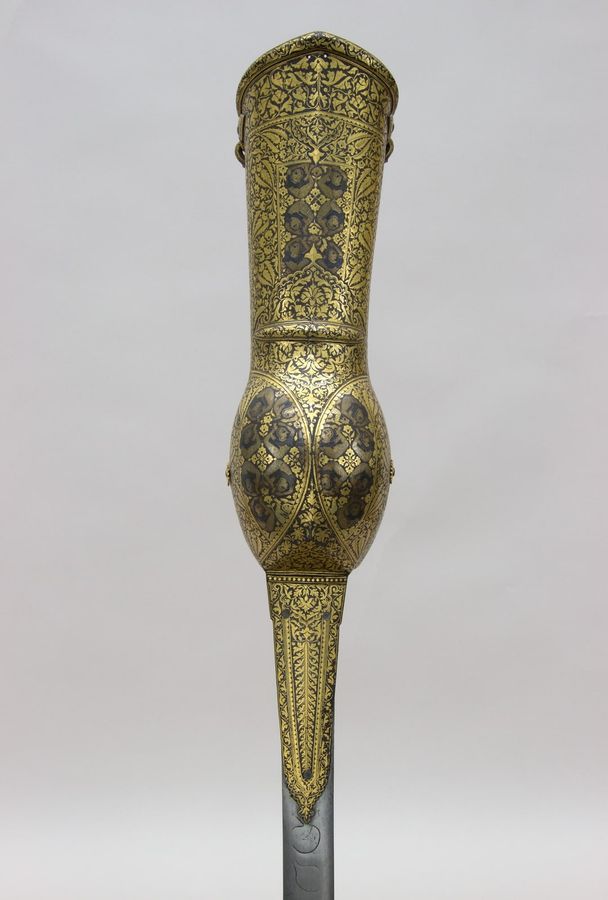
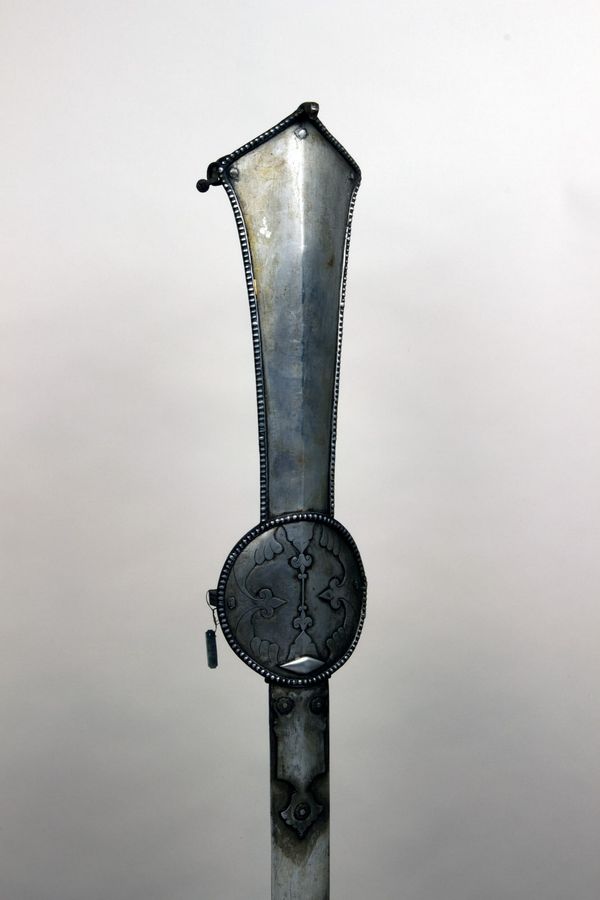
インドのデカンや南インド、マラーターの戦士などが使った、籠手と一体の剣。鋼の籠手が手と前腕を肘の近くまで包み、中の横木を握る。籠手の前から長い舌(ランゲット)が刀身の表裏に沿って伸び、刀身を鋲で留める。刀身はまっすぐな両刃で、イタリアやスペイン、ドイツから運ばれたヨーロッパの刀身がとても多い。籠手は獅子・虎・象の頭などをかたどることがあり、内側はビロードや綿で裏打ちした。手首を返せないので、腕全体で振る剣になる。
- 全体
- 全長 110〜139cm、刃長 91〜104cm、重さ 0.8〜2kg。籠手の部分は 30〜36cm ほど(全長と刃長の差からの見積もり)。短いものもある。
- 刀身
- まっすぐな両刃。ヨーロッパの刀身が多く、溝を彫ったものや、よくしなるレイピアの刀身もある。
- 籠手
- 拳の上がふくらんだ殻が、手首で少しくびれ、前腕に沿って腕を入れる口へ広がる。幅は 9〜12cm ほど。中には刀身と直角な握りの横木があり、内側はビロードや綿で裏打ちする。上の端の内側に、前腕に留める帯や輪がある。
- 刀身の留め方
- 籠手の前から長い舌(ランゲット)が刀身の表裏に伸び、鋲で刀身を挟んで留める。舌が象の頭の形の例もある。
- 持ち歩き方
- ビロード張りの鞘が残る。持ち歩き方の詳しい記録は見つかっていない。
- 見分け方
- 腕まで覆わず、長い刀身に護拳の付いたカタール(バラ・ジャムダドゥ)とは別の武器。今は「ダンドパッター」とも呼ばれるが、19 世紀の辞書ではもともと稽古の名前。
参考資料(11 点)
すべてパブリックドメインまたは CC0 の資料です。画像をひらくと、出典とライセンスの根拠、線画への変換ツールがあります。
写り方・資料の種類ごとに、一覧で見られます。
 CC0CC0
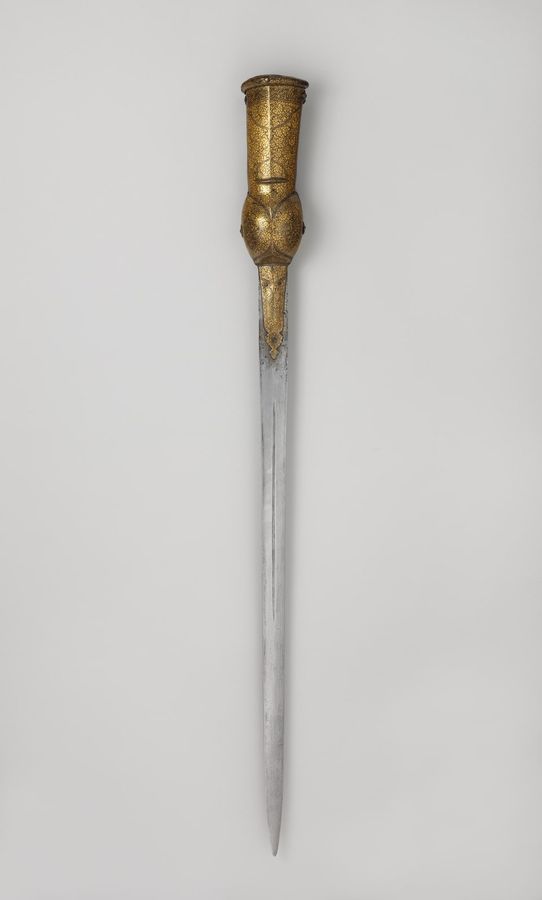
刀剣(刀身・拵)
Gauntlet Sword (Pata)
hilt, dated A.H. 1126 /1714–15 CE; blade, probably 16th century・The Met
 CC0CC0
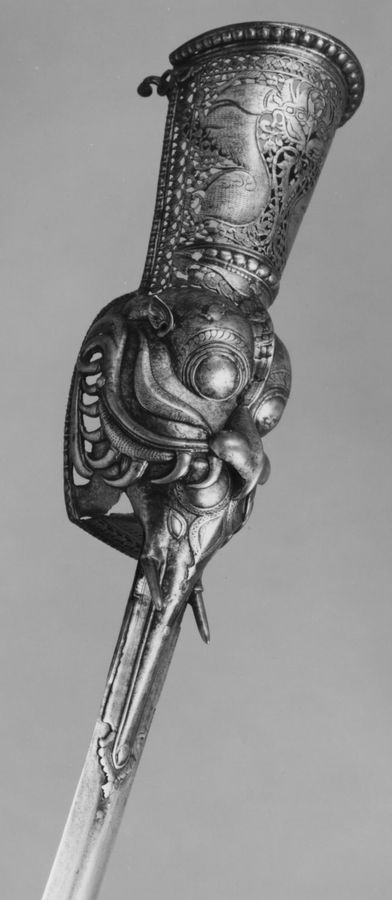
刀剣(刀身・拵)
Gauntlet Sword (Pata)
hilt, 17th–18th century; blade, 18th century・The Met
 CC0CC0
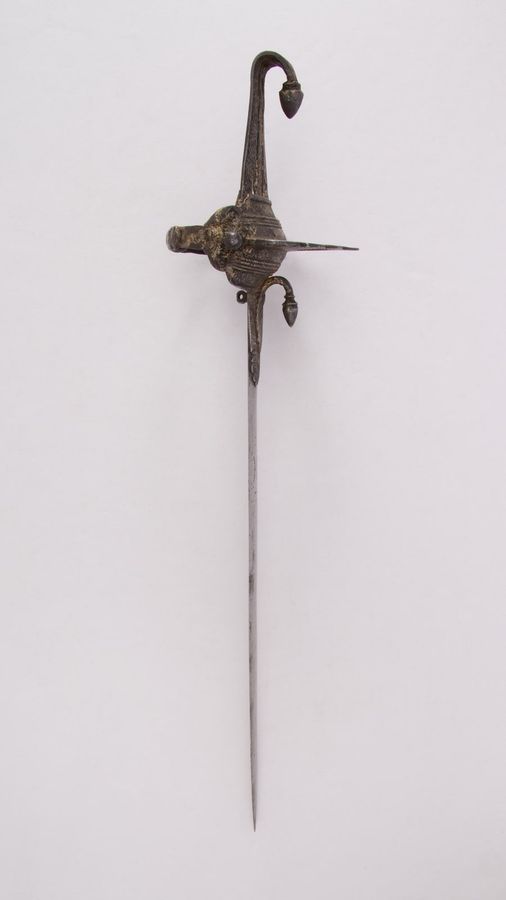
刀剣(刀身・拵)
Gauntlet Dagger (Pata)
17th century・The Met
 CC0CC0
刀装具
Hilt of a Gauntlet Sword (Pata)
17th–18th century・The Met
 CC0CC0
刀剣(刀身・拵)
Gauntlet Sword (Pata)
18th century・The Met
 CC0CC0
刀剣(刀身・拵)
Gauntlet Sword (Pata) with Scabbard
18th–19th century・The Met
 CC0CC0
刀剣(刀身・拵)
Gauntlet Sword (Pata)
18th century・The Met
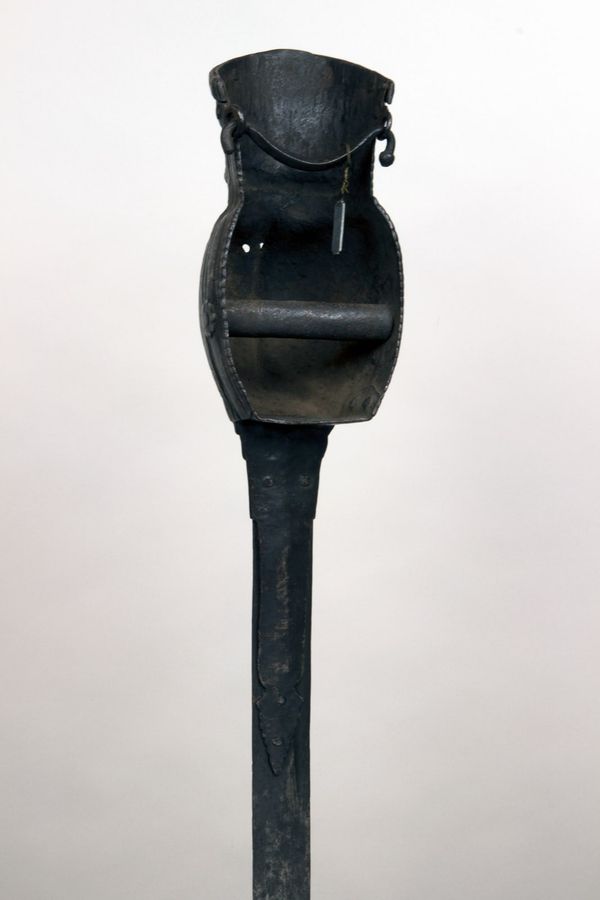 CC0CC0
刀剣(刀身・拵)
Gauntlet Sword (Pata)
18th–19th century・The Met
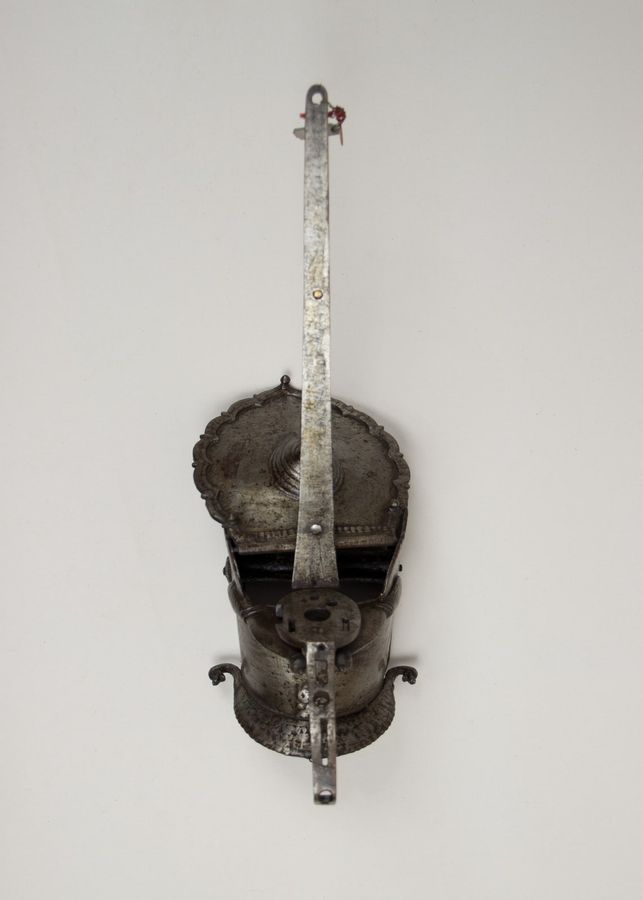 CC0CC0
刀装具
Hilt of a Gauntlet Sword
19th century・The Met
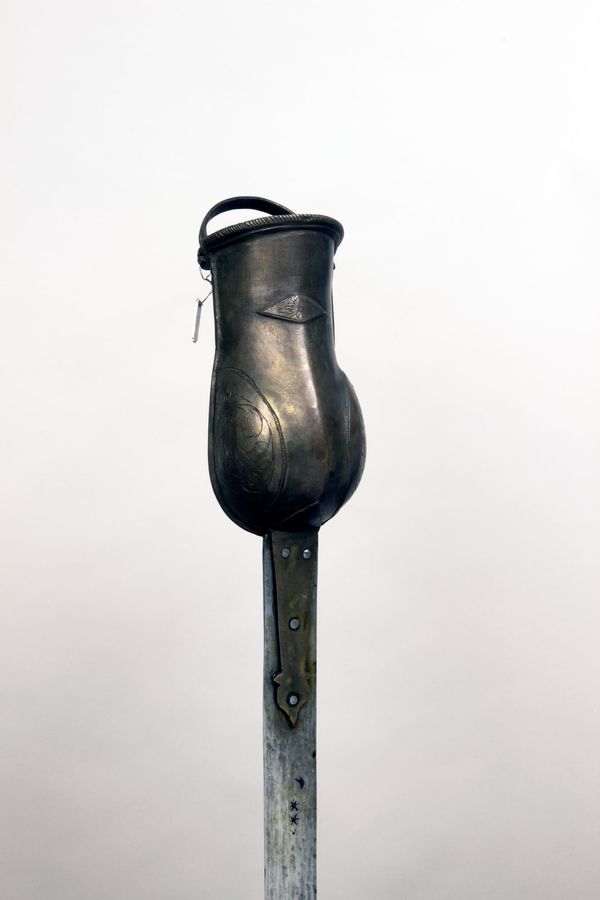 CC0CC0
刀剣(刀身・拵)
Gauntlet Sword (Pata)
19th century・The Met
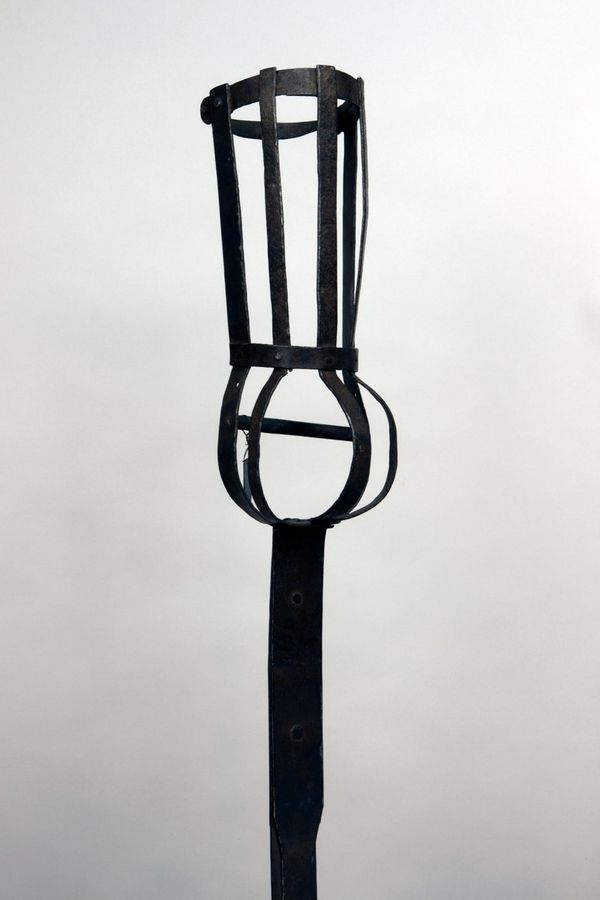 CC0CC0
刀剣(刀身・拵)
Gauntlet Sword (Pata)
19th century・The Met